

-
-
HIGHLIGHTS
References in circular economy:
Volume of recycled material in the production process
>90%
Recycled content rate of our products
>70%
Reuse of waste generated
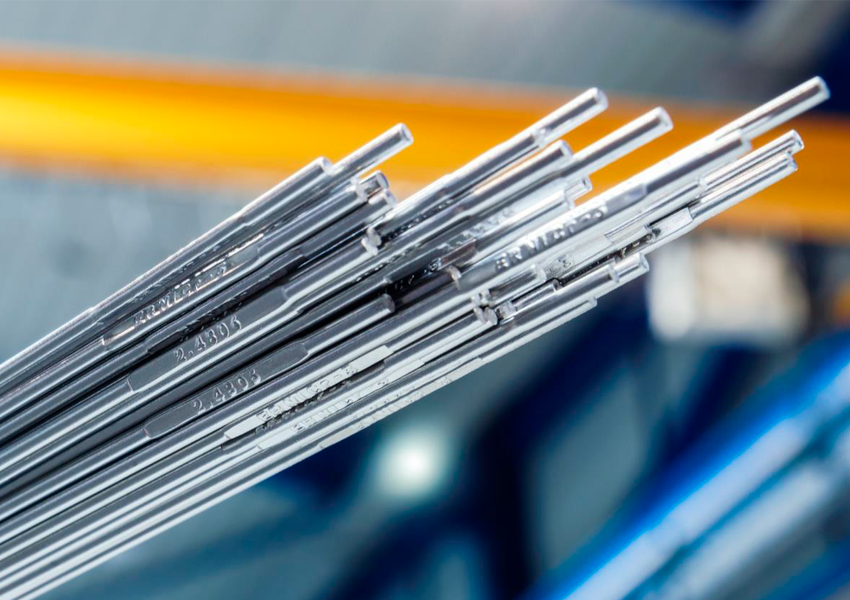

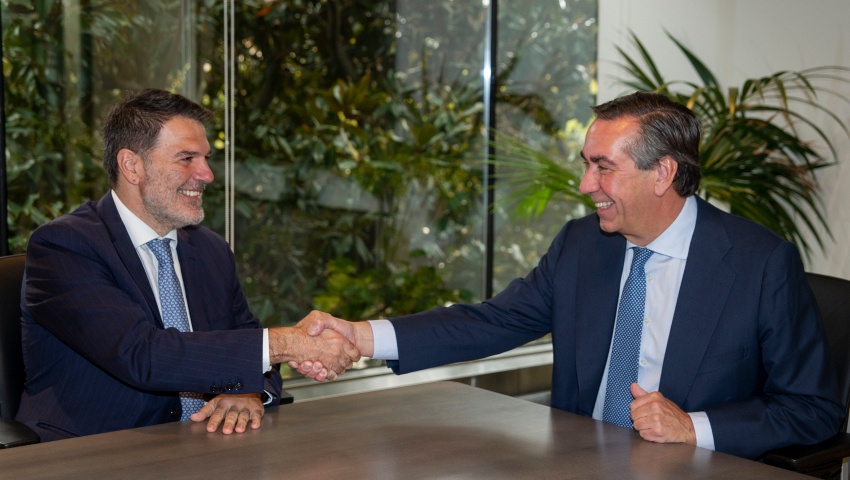
Acerinox and IGNIS have joined forces to implement a technological initiative at the steelmaker's plant in Campo de Gibraltar (Cádiz). The objective is to decarbonize steam production, improve the plant's industrial competitiveness, and increase its energy efficiency.
Scheduled to come online in December 2028, the comprehensive decarbonization solution will consist of two projects: an advanced thermal energy storage system and the installation of an industrial heat pump to recover waste heat derived from steel production. This measure will have a positive environmental impact by avoiding the emission of 18,500 tons of CO2 per year, representing a 10% reduction.
The installation of the 12 thermal MW industrial heat pump will improve overall efficiency by harnessing waste heat from the combustion gases of the industrial complex's hot rolling mill furnace to meet the thermal demand of the production process.
Meanwhile, the thermal battery (TES) will have a capacity of 120 MWh, generating heat through electrical resistors during the hours when energy prices are most competitive. This heat will serve to supplement the recovered waste heat and can also act as a backup steam source during the heat pump's scheduled downtime.
The initiative is part of Acerinox Europa's long-term improvement plans. The service model demonstrates the solid partnership with IGNIS, which will cover the initial investment of nearly 40 million euros. The projects have received 19.3 million euros in grants through the Institute for the Diversification and Saving of Energy (IDAE), under the Ministry for the Ecological Transition and the Demographic Challenge (MITECO), and are co-financed by the European Union's European Regional Development Fund (ERDF).
"The launch of these two pioneering projects shows that sustainability and industrial competitiveness must go hand in hand. With this breakthrough at our Campo de Gibraltar plant, Acerinox continues to lead the transition toward a more efficient production model, ensuring the future of our operations through cutting-edge technology," states Acerinox CEO Bernardo Velázquez.
"Leveraging the capabilities we have developed throughout our history, at IGNIS we design optimal energy solutions to respond to the electricity and heat needs of industrial consumers. In this case, it is a pleasure to accompany Acerinox in decarbonizing steel production in Campo de Gibraltar," adds IGNIS CEO Antonio Sieira.
About IGNIS
IGNIS is a vertically integrated energy company that offers the best solutions for large consumers and new energy demands, such as data centers. Founded in 2015, it promotes a more competitive, flexible, and sustainable energy model by connecting the entire value chain—from project development and construction to the operation and energy optimization of generation assets and consumers.
To achieve this, IGNIS drives global multi-technology projects, holding a leadership position in the development of renewables, batteries, grid access solutions, and decarbonization and electrification projects. It currently has more than 1 GW of its own generation plants operating and under construction.
Additionally, the company combines these capabilities with advanced energy and asset management to offer integrated solutions tailored to its clients' needs. It manages 10 GW of its own and third-party assets across all technologies (renewables, hydro, thermal, and even the first battery operated by an independent agent in Spain), participating in all segments of the electricity market.
"These projects are co-financed by the European Union through the European Regional Development Fund (ERDF) within the framework of the grants managed by the IDAE (MITECO). The opinions and views expressed in this press release are exclusively those of the authors and do not necessarily reflect those of the European Union or the granting entities. Neither the European Union nor the granting authority can be held responsible for them."

“Funded by the European Union-Emissions Trading System-Innovation Fund”